Reader’s guide · 5 minute read
Hardcover vs. Paperback Coloring Books: What to Check
Choose the binding you prefer, then check the dimensions and printing facts. A hardcover or paperback label alone cannot tell you how a coloring page handles your tools.
Separate binding preference from paper performance
Hardcover and paperback describe formats, but the label alone does not settle how you will use a coloring book. Think about where you color, how you store books and which size feels comfortable at your table. Then inspect the dimensions of the specific edition. Even two formats of the same work can use slightly different page sizes.
Do not infer lay-flat opening, paper weight, durability, perforation or ink resistance from the binding name. Those need their own evidence. Greatest Pages Press publishes the Whimsy Harbor example below; these are verified edition facts and selection questions, rather than a physical comparison test.
Compare the two Whimsy Harbor editions
A Whimsy Harbor Christmas Coloring Book by Nora Fairley was published October 11, 2026 in both formats. The paperback has 8.5 × 11-inch interior pages, 108 total pages and ISBN 9798161508787. The hardcover has 8.25 × 11-inch interior pages, 108 total pages and ISBN 9798161686584. Both contain the same collection of 50 Christmas illustrations.
Choose using the actual size rather than assuming the formats are identical. The narrower hardcover page is a dimensional difference, not evidence of better or worse coloring performance. Retailer details were inspected October 13, 2026 for this publisher record; check the live listing for current price and availability.
Understand what single-sided illustrations mean
Single-sided artwork means each coloring illustration occupies one side of a page. It does not necessarily mean the reverse is completely blank. In this Christmas book, small captions appear on the reverse of illustrations. The total of 108 pages therefore should not be read as 108 separate coloring designs.
Single-sided also does not establish whether pages are perforated or convenient to remove. If displaying individual pages matters to you, seek an explicit statement about the construction before buying. Keep the book’s binding and the intended use of its pages in mind rather than treating one printing phrase as a complete specification.
Digital art cannot establish marker behavior
An interior preview helps you assess outlines, composition and detail. It cannot tell you how much ink the paper absorbs or whether a particular marker will feather or bleed through. Binding, page count and single-sided printing do not answer those questions either. No marker-bleed or physical paper-performance test of these editions is available here.
If you already enjoy colored pencils, compare the smallest shapes with the points you normally use. For wet media, look for reliable evidence about the actual edition and your materials. A digital image that looks clean is evidence about the artwork’s appearance on a screen, not a guarantee of how ink will behave.
Plan a cautious first page
Use spare paper to compare colors and plan a palette, while remembering that another sheet cannot verify the book’s actual paper. Test an inconspicuous area cautiously when appropriate to the medium, and allow it to dry before judging the result. A color test page is included in this book, but its presence is not a certification for every tool.
Protect the following page with a suitable backing sheet where appropriate. That precaution does not guarantee that the page being colored will resist ink, and a tool may still show through on its reverse. Read the instructions for your own materials and avoid beginning with the most important part of a favorite illustration.
Choose the art, then confirm the edition
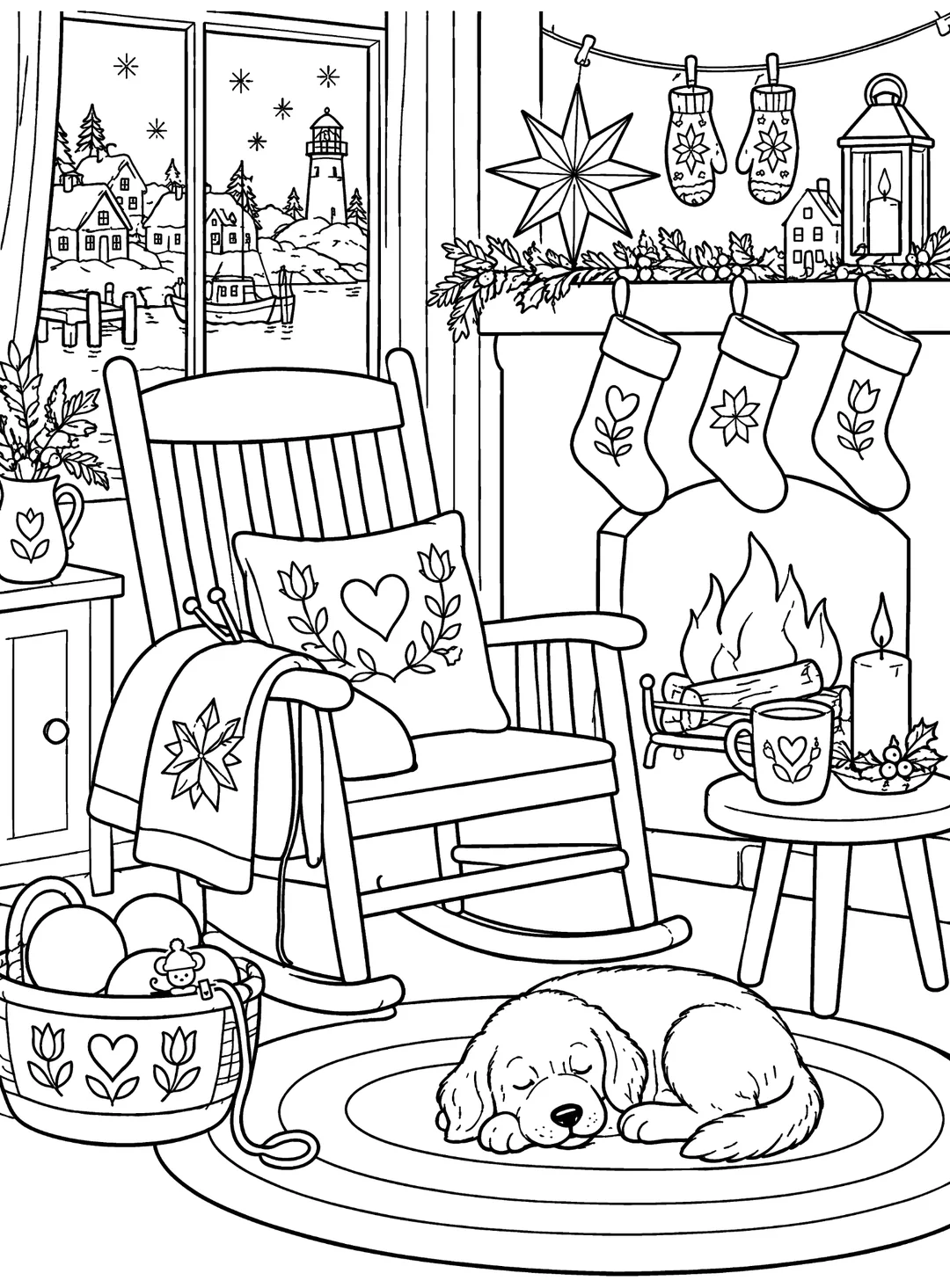
Start with several real interiors, including both open scenery and a detailed indoor scene. Decide whether the subject and smallest shapes appeal to you. Then compare the format, dimensions, ISBN and current retailer information for the edition you intend to order. Keep that sequence simple: art fit first, physical specifications second.
If the book is a gift, ask about the recipient’s preferred tools and comfortable page size where possible. A familiar pencil set can be an optional companion, but it does not resolve unknown paper performance. Use the linked selection guides to turn the verified facts into a choice that fits the person who will color.